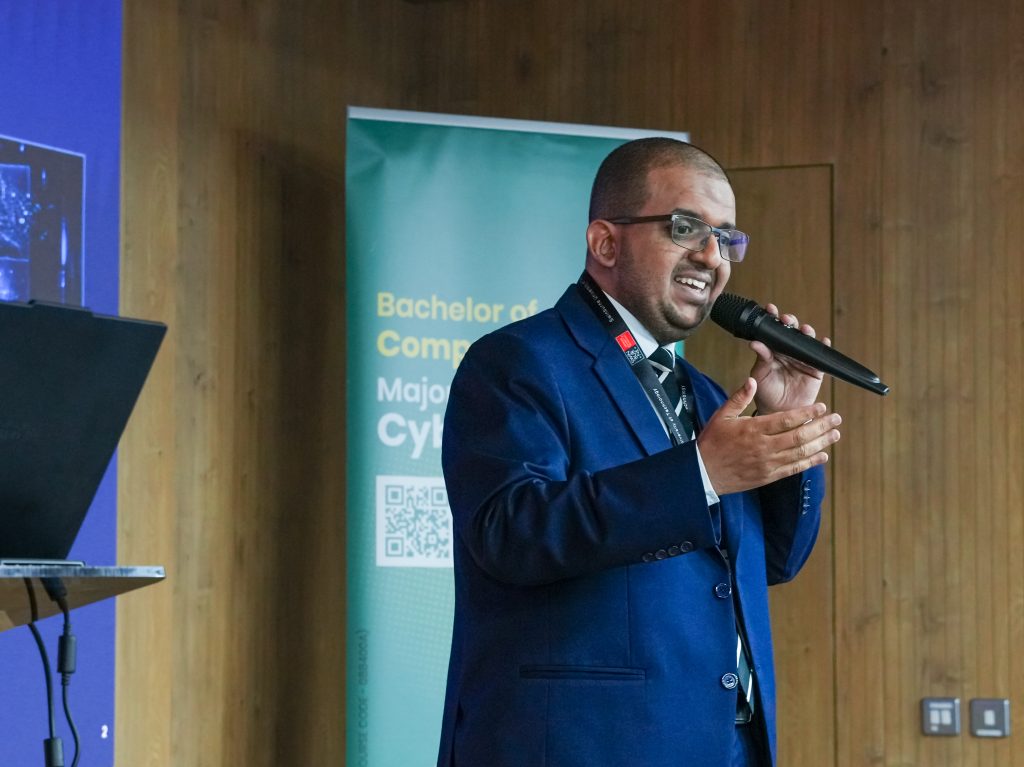
Sustainability is often associated with environmental responsibility, renewable energy, and climate action. However, creating a sustainable future also requires preserving the cultural heritage, traditions, and identities that define communities and connect generations. At Barzan University College, students recently explored this broader perspective through a guest session that examined the relationship between sustainability, heritage preservation, and social impact.
As part of the Business for Sustainability, Social Change and Impact course, students had the opportunity to engage with Ms. Margaux Monsterrat, Senior Heritage Activation Programming Coordinator at Qatar Museums. The session provided valuable insights into how heritage preservation contributes to sustainable development while highlighting the important role individuals, organisations, and institutions play in protecting cultural identity.
The experience reflects BUC’s commitment to delivering an education that extends beyond traditional classroom learning, exposing students to real-world challenges and preparing them to become thoughtful, responsible leaders capable of creating meaningful impact within society.
Understanding Sustainability Beyond the Environment
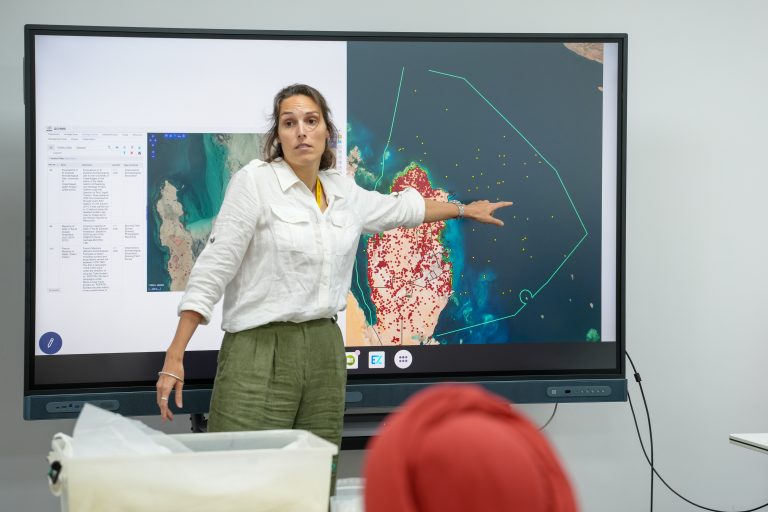
Modern sustainability discussions frequently focus on environmental concerns. While these issues remain critical, true sustainability encompasses social, cultural, and economic dimensions that collectively support long-term community wellbeing.
During the session, students explored how cultural heritage forms an important pillar of sustainable development. Heritage sites, traditions, stories, architecture, and cultural practices contribute to a community’s identity and sense of belonging. Preserving these elements helps maintain social cohesion while ensuring future generations remain connected to their history and values.
Through practical examples and case studies, students gained a deeper understanding of how cultural preservation can support tourism, education, economic development, and community engagement while contributing to broader sustainability goals.
The discussion encouraged students to view sustainability through a more holistic lens and recognise the interconnected relationship between people, culture, and development.
Learning from Qatar’s Cultural Landscape
Qatar’s rapid growth and development present unique opportunities and responsibilities when it comes to preserving cultural heritage. As the nation continues to evolve, institutions such as Qatar Museums play an important role in safeguarding historical assets while creating opportunities for cultural education and community engagement.
Students were introduced to initiatives that celebrate and preserve Qatar’s rich heritage while making it accessible to contemporary audiences. The session highlighted how museums, cultural institutions, and heritage programs contribute to public education, cultural awareness, and national identity.
By exploring real-world examples from Qatar’s cultural sector, students were able to connect theoretical concepts discussed in class with practical applications taking place within their own communities.
This connection between academic learning and industry practice is a central component of the BUC educational experience, ensuring students gain relevant knowledge that can be applied beyond the classroom.
Exploring the Role of Business in Social Impact
A key theme of the session focused on the role businesses can play in supporting sustainability and cultural preservation efforts.
Students examined how organisations can create value beyond financial performance by contributing positively to society and supporting community development initiatives. The discussion explored how responsible business practices can help preserve cultural heritage, promote social inclusion, and create long-term positive impact.
As future professionals and leaders, students were encouraged to consider how their decisions may influence communities, stakeholders, and future generations. Understanding these responsibilities is increasingly important as organisations worldwide place greater emphasis on Environmental, Social, and Governance (ESG) principles and sustainable business practices.
The session reinforced the idea that sustainability is not solely the responsibility of governments or non-profit organisations. Businesses, entrepreneurs, and professionals all have a role to play in shaping a more sustainable future.